
Evidence-Based Research
Teaching It Right is built on 12+ years of research validating the effectiveness of the We Are Friends program. Proven particularly effective for children with autism, the program also supports other neurodivergent and neurotypical learners, using established practices shown to work in real-world situations.
NSF SBIR Phase I & II Winner
Funded by the National Science Foundation
Recognized by the National Science Foundation
Teaching It Right received prestigious National Science Foundation (NSF) SBIR Phase I and Phase II grant funding to research, develop, and test an innovative, multi-sensory educational program focused on social skill development for children on the autism spectrum.
This federally funded research supported our mission to create an affordable, time-efficient application designed to support social learning, emotional awareness, and confidence-building through engaging, evidence-informed instructional methods.
NSF support reflects the strength of our research process and our commitment to applying rigorous scientific methods to the development of educational tools that help children practice and build real-world social skills.
Research Data
Our studies show statistically significant improvements in communication and social skills across diverse student populations.
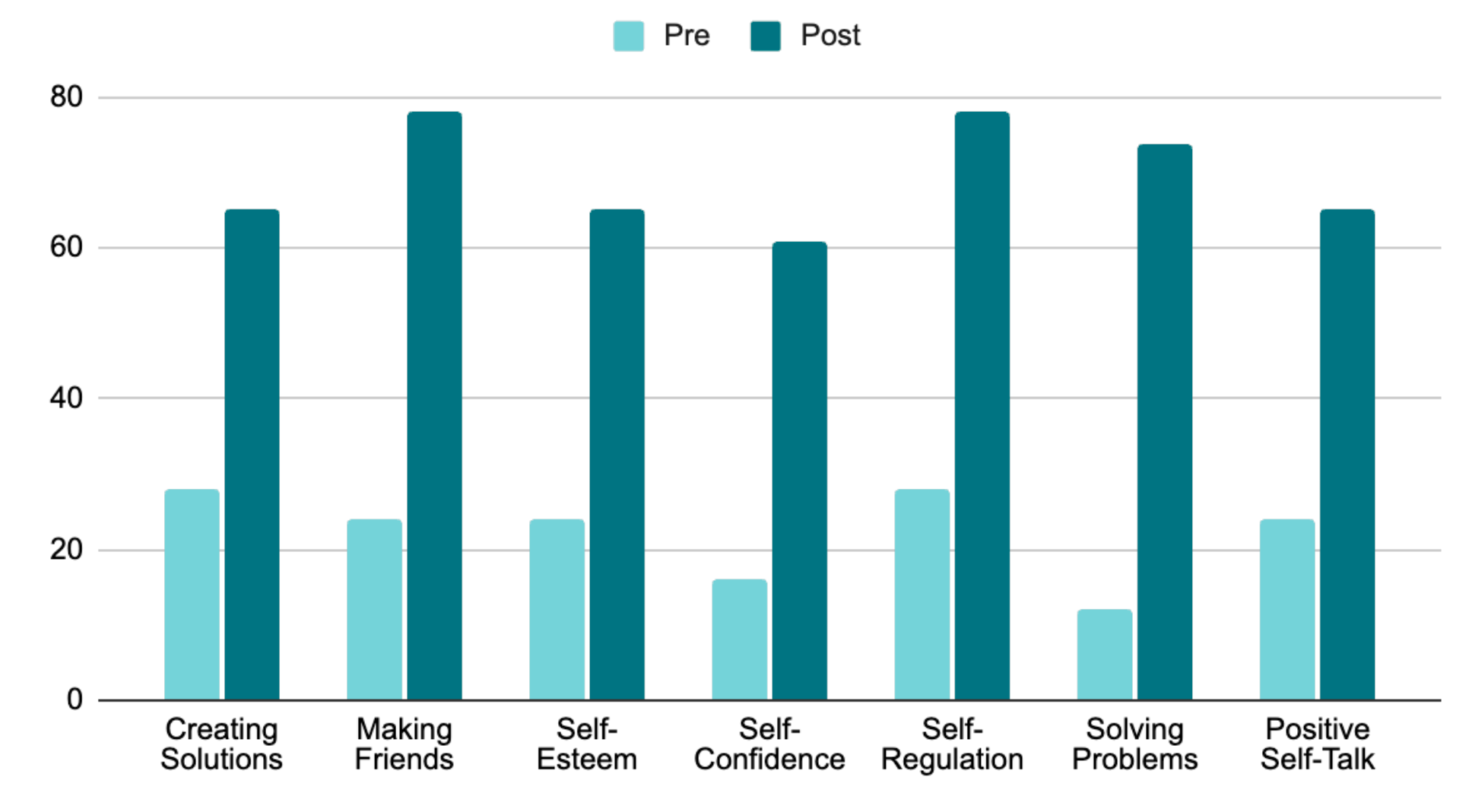
Educator Feedback on Student Progress
Students who used We Are Friends.
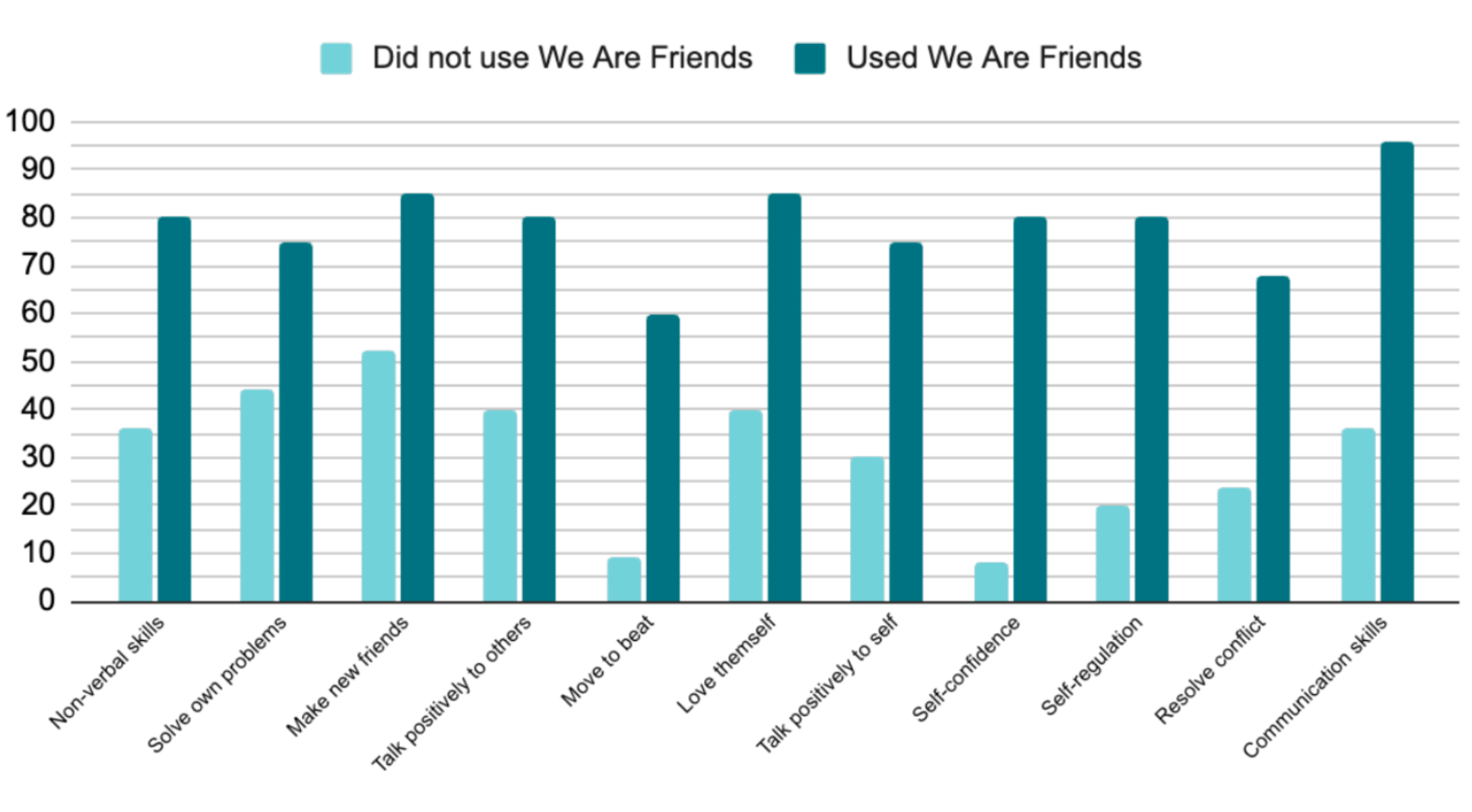
Measurable Growth in Social Skills
Percentage of students showing improvement in essential skills.
Why Video Modeling Works
We Are Friends allows students to learn and practice social skills independently or with human interaction, including real-time practice.
Evidence-Based Practice
Designated as an evidence-based practice by the National Professional Development Center on Autism Spectrum Disorders and endorsed by multiple research institutions.
Highly Effective
Research shows video modeling effectively teaches communication, social, play, academic, adaptive, and vocational skills to children and young adults with autism.
More Engaging
For autistic children, video modeling is more motivating and less threatening than face-to-face modeling, leveraging their natural attraction to technology.
Flexible Learning
Children can watch videos multiple times to learn skills, focusing on one aspect at a time and progressing at their own pace without pressure.
Promotes Independence
We Are Friends allows students to learn and practice social skills independently or with human interaction, including real-time practice between multiple devices.
Proven Track Record
First used successfully in 1982 and backed by decades of research, video modeling has consistently shown positive results across age groups and skill domains.
Our Innovative Approach
We Are Friends combines multiple evidence-based techniques into a comprehensive, customizable program that addresses the unique needs of each child.
Video Modeling
We Are Friends uses personalized video modeling where children see themselves and trusted adults demonstrating appropriate social behaviors, creating a powerful visual learning experience.
- Customizable videos featuring the child and trusted adults
- Step-by-step demonstrations of social skills
- Positive messages from both the child and trusted adults
Music Integration
Original music helps children remember and internalize social skills, making learning fun and memorable while addressing sensory needs.
- Custom songs for each social skill
- Enhances auditory learning and supports memory retention
- Supports sensory integration needs
Interactive Practice
Children actively practice social skills through interactive scenarios, both independently through We Are Friends and with their peers in real-time.
- Independent practice
- Real-time practice with others
- Immediate feedback and reinforcement
Progress Tracking
Built-in tracking tools allow parents and educators to monitor progress, measure skill acquisition, and adjust We Are Friends to meet each child's needs.
- Detailed skill mastery reports
- Real-time data on practice sessions
- Insights to personalize instruction
Our Research
We began our research with children on the autism spectrum and have expanded our studies to all children, continually assessing the effectiveness of We Are Friends to ensure the best outcomes.
Published Studies Peer-Reviewed
We Are Friends Results Published in SAGE Journals
Eye Contact Study for Children on the Autism Spectrum
First published online September 17, 2022
Published Article: Use of an App With Embedded Video Modeling to Increase Eye Contact (2023)
View Published StudyPublications In Progress Ongoing Research
Versatile Delivery Study
Testing individual, small group, and large group delivery methods for social skills training.
Article for Submission: Versatile Delivery of Social Skills Training: Improving Conversational Skills in Students with Autism Using a Digital App
Conversation Exchanges and Autism
Examining technology-aided social skills instruction and its effects on authentic communication in students with autism.
Article for Submission: Technology-Aided Social Skills Instruction and Its Effects on Authentic Communication in Students with Autism
Students Across Various Skill Levels in Special Education and General Education Classrooms
Evaluating the effectiveness of our social skills app across diverse educational settings and student abilities.
Article for Submission: Effectiveness of a Social Skills App in Various Educational Settings
Statewide Generalization in Special Education and General Education Classrooms
Large-scale study on the impact of video modeling technology on skill generalization in early childhood across multiple settings.
Article for Submission: Leveraging Technology for Social Development: A Study on the Impact of a Video Modeling App on Skill Generalization in Early Childhood
Peer Acceptance in Special Education and General Education Classrooms
Investigating our social skills program's impact on playground interactions and peer relationships among early elementary students.
Article for Submission: Evaluating a Social Skills Program's Impact on Playground Interactions and Peer Nominations Among Early Elementary Students
Thought Leadership
Our researchers are active voices in the education community — presenting at national conferences and publishing peer-reviewed findings that shape how social skills are taught.
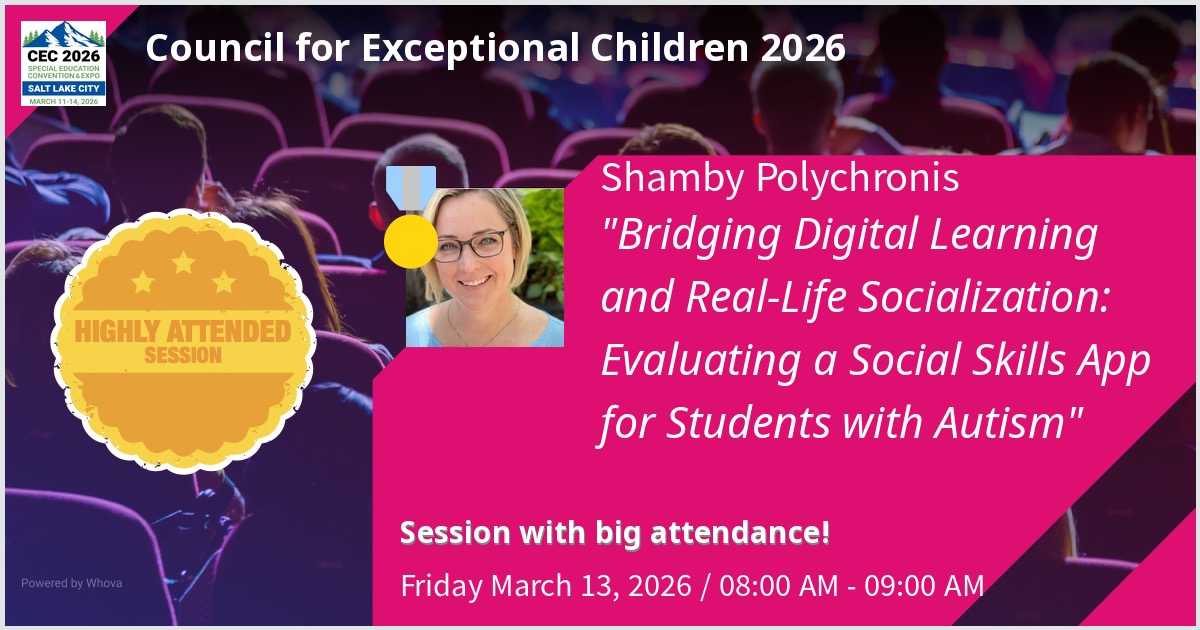
Bridging Digital Learning and Real-Life Socialization: Evaluating a Social Skills App
Presentation delivered at the 2026 Council for Exceptional Children Convention
This presentation focused on whether students used social skills learned through We Are Friends during everyday school activities. Observational data were collected from 514 students and 32 teachers across four schools implementing the program. Students were observed during unstructured times such as recess and lunch in general education, special education, and English Language Support programs. Findings showed that students were able to apply social skills beyond the app, especially when the program was used regularly. The presentation highlighted how skills learned in We Are Friends can be used across different instructional settings and carry over into real‑life situations.

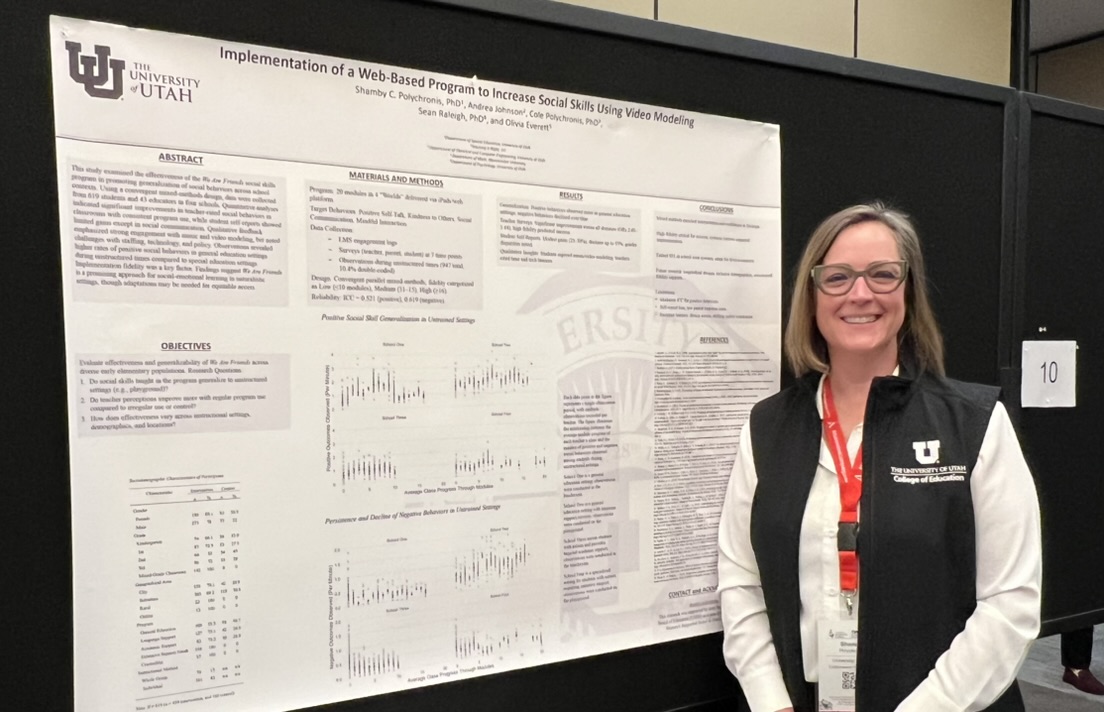
Implementation of a Web-Based Program to Increase Social Skills Using Video Modeling
Poster presented at the 2026 Conference on Autism, Intellectual, and Other Developmental Disabilities
This poster shared results from a statewide study of We Are Friends. Data were collected from 619 students and 43 educators, including general and special education teachers, school counselors, and one parent implementing the program in a home setting. The poster highlighted the diversity of participants and settings across the state, as well as educator feedback on program impact. Results showed improvements in perceptions of student social behavior when the program was used consistently, demonstrating that We Are Friends can be effectively implemented by a range of users across school and home environments.
Research Foundation
Our program is built on peer-reviewed research from leading institutions and autism research centers worldwide.
Bellini, S., & Akullian, J. (2007). A meta-analysis of video modeling and video self-modeling interventions for children and adolescents with autism spectrum disorders. Exceptional Children, 73, 264-287.
Steinbrenner, J. R., et al. (2020). Evidence-based practices for children, youth, and young adults with Autism. The University of North Carolina at Chapel Hill, Frank Porter Graham Child Development Institute, National Clearinghouse on Autism Evidence and Practice Review Team.
Wong, C., Odom, S.L., et al. (2015). Evidence-Based Practices for Children, Youth, and Young Adults with Autism Spectrum Disorder: A Comprehensive Review. Journal of Autism and Developmental Disorders.
National Professional Development Center on Autism Spectrum Disorders. Video modeling has been endorsed as an evidence-based practice effective for teaching communication, social, play, school readiness, academic, adaptive, and vocational skills to children ages 3 to 14.
Reichow, B., & Volkmar, F. R. (2010). Social skills interventions for individuals with autism: Evaluation for evidence-based practices within a best evidence synthesis framework. Journal of Autism and Developmental Disorders, 40, 149-166.
Experience Research-Backed Results
Join thousands of families using our evidence-based program to help their children build essential social skills.